How heavy a school backpack is allowed to be
Fifteen per cent of the child, not of the bag, and four inches is the other number that matters. What paediatric guidance asks for, and how to check it on a Sunday night with bathroom scales.
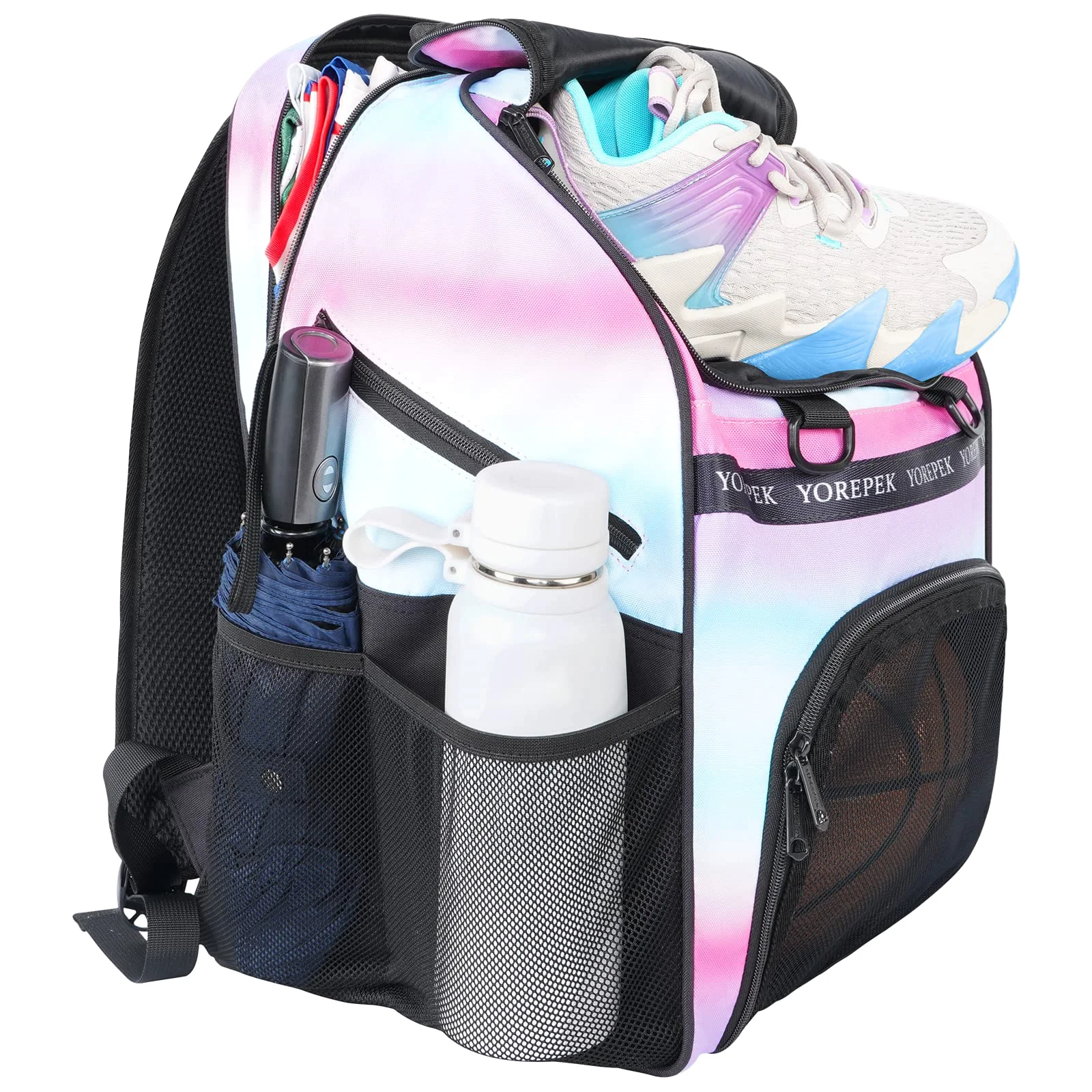
Here is the test, and it takes ninety seconds. Stand on the bathroom scales holding your child's loaded school bag. Note the number. Put the bag down and stand on the scales again. Subtract.
Now weigh the child. If the bag is more than fifteen per cent of that figure, it is too heavy, and everything below is about what to do next.
Where the fifteen per cent comes from
The american academy of pediatrics puts it plainly: a backpack should not weigh more than 15% of the child's body weight. That is the number, and it is a ceiling rather than a target.
| If the child weighs | The loaded bag should not exceed |
|---|---|
| 50 lb | 7.5 lb |
| 60 lb | 9 lb |
| 70 lb | 10.5 lb |
| 80 lb | 12 lb |
| 100 lb | 15 lb |
| 120 lb | 18 lb |
Look at the smaller end of that table for a moment. Seven and a half pounds is a laptop, a water bottle and one hardback textbook. It is not very much, and that is the point: the number is small because the child is small.
The second number: four inches
Weight is the one everybody has heard. Fit is the one that decides whether a bag within the limit still hurts, and the guidance is specific about it.
The bottom of the pack should rest in the curve of the lower back. It should never sit more than four inches below the waistline — below the bellybutton, in the version most parents find easier to picture. A bag hanging low looks fine from the front and pulls the shoulders back the whole way to school.
A backpack should never sit more than 4 inches below the waistline.
This is almost always a strap adjustment rather than a different bag, and it is almost always wrong on a bag a child has been wearing for a term, because children grow and straps do not tighten themselves.
Two straps, both broad, both used
The guidance asks for two broad padded shoulder straps and for the weight to be distributed evenly between both shoulders. Every child knows this and roughly half of them carry the bag on one shoulder anyway, which is a conversation rather than a purchase.
What you can control is the bag. A pack with one thin strap has decided the question for you. A pack with two broad ones at least leaves it open.
How to pack it, in the order it goes in
The paediatric advice on packing is short and it is about levers. The heaviest items — the textbook, the laptop — go closest to the body, and the rest goes equally on the right and the left.
- Heaviest flat thing against the back panel, not out at the front
- Everything else balanced left and right rather than piled on one side
- A water bottle in a side pocket, where a leak stays outside the bag
- Nothing hard in an outer pocket that will press into the back
- And the honest one: take out what is not needed today
That last line does more than the other four together. Most overloaded school bags are overloaded with things that live in them permanently, and the Sunday night weigh-in usually ends with something being taken out rather than with a new bag being bought.
What a capacity figure does and does not tell you
Every card on this site prints a volume where we hold one: 15 litres, 28 litres, 40 litres. Those numbers say what a bag holds. They say nothing at all about what a person should carry.
It is worth being blunt about this, because the two get confused constantly. A 40-litre pack is not a 40-litre load. A 40-litre pack half full is often exactly the right answer for a child, and a 28-litre pack packed to the zip with a ball and a pair of boots can easily be over the fifteen per cent line for a nine-year-old.
The sports bag problem
A sports pack is where the weight arithmetic goes wrong quietly, because the heavy things arrive in it a few at a time.
A size 5 ball is about a pound. A pair of boots with studs is another two. Shin pads, a water bottle full, a change of shirt, and you are at five pounds before any schoolwork goes in. If the same bag is doing double duty as a school bag on a training day, weigh it on a training day rather than on a Sunday.
The design does help here, and it helps in a way that is easy to miss: the ball rides in a cage on the outside and the boots sit in a bay at the bottom. That does not reduce the weight by an ounce. What it does is put the heavy things low and against the back rather than loose at the top of a single deep compartment, which is exactly where the packing guidance wants them.
When the bag is not the answer
Sometimes the honest answer is that no backpack fixes this. If a child is carrying eleven pounds of textbooks because the timetable requires it, the conversation belongs with the school rather than with a shopping list, and a second set of books at home or a locker arrangement solves more than any strap does.
It is worth saying because the alternative — buying a better bag and carrying the same load — feels like doing something while changing nothing.
The Sunday night check, in full
- Weigh the loaded bag. Over 15% of the child's weight: something comes out.
- Put it on the child. The bottom should be in the curve of the lower back, never more than four inches below the bellybutton.
- Tighten the straps until it sits there. This is the step everybody skips.
- Look at where the heavy things are. Textbook and laptop against the back.
- Ask what has been living in the bag since September.
Five steps, once a term, and the figures behind all of them come from the source listed below with the date we read it. We have not tested anything ourselves and are not going to pretend we have.
One button, the whole Yorepek range
Every size, colour and capacity in the Yorepek range sits behind this button, with the price from our last update beside it. Measure the thing you have to carry, check it against the dimensions on the card, and it ships from our retail partner.